
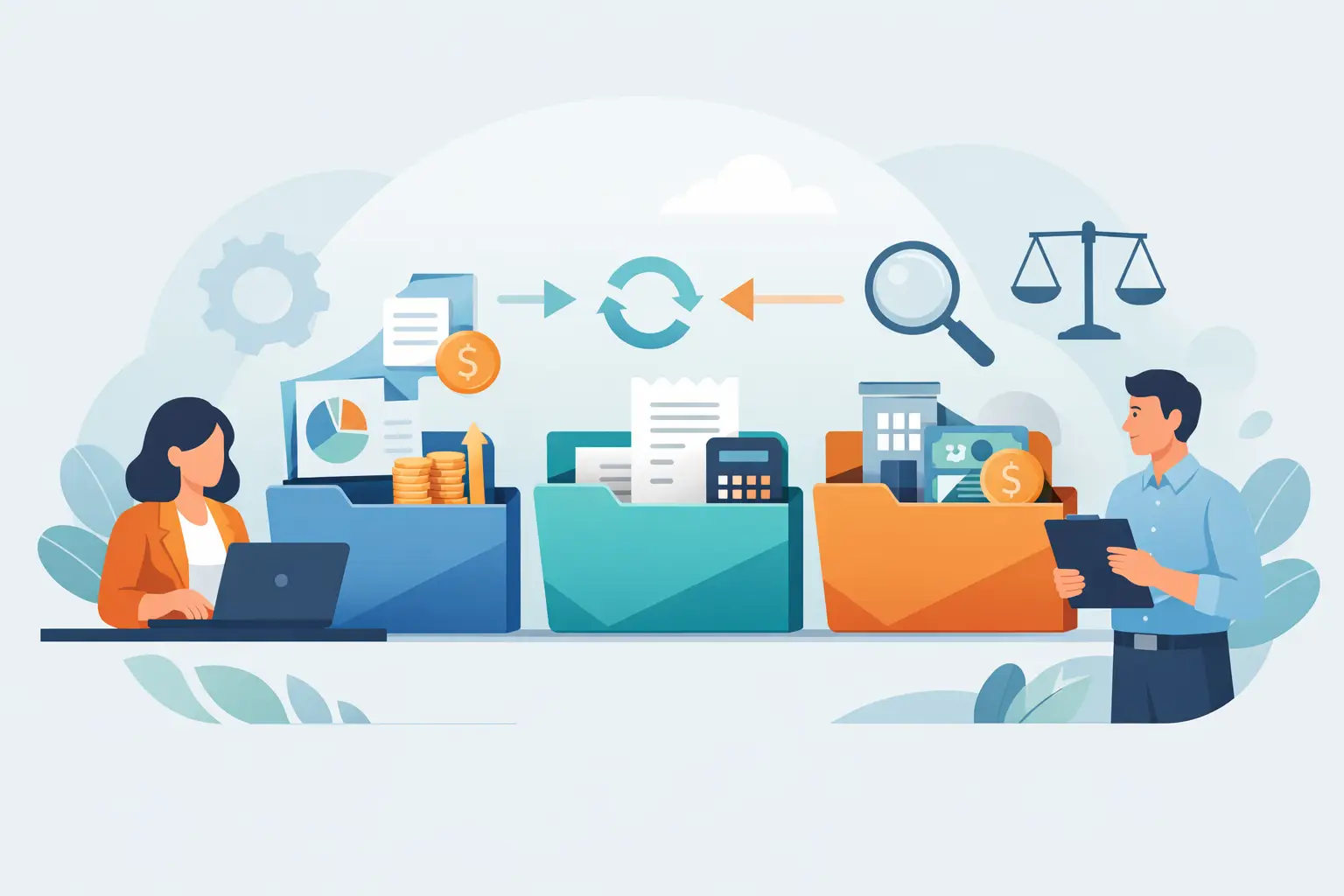
A $42 hardware-store charge, a $186 client lunch, and a $1,200 payment to a contractor can all appear as simple bank transactions. Their accounting treatment is not simple, however. Knowing how to categorize business transactions gives you a clearer view of your profit, protects legitimate deductions, and makes tax time far less stressful.
For a small-business owner, transaction categorization is the process of assigning each business activity to the correct income, expense, asset, liability, or equity account. It is not busywork. Every category tells part of the story of how your business earns, spends, borrows, and grows.
Start With a Chart of Accounts That Fits Your Business
Your chart of accounts is the organized list of categories used in your bookkeeping system. A restaurant, a delivery company, and a consulting practice should not use identical categories simply because their accounting software starts with the same default list.
Begin with broad categories that reflect your actual operations. Most businesses need accounts for sales income, bank fees, advertising, rent, insurance, supplies, payroll, professional fees, vehicle expenses, and meals. Add more detail only when it answers a useful question. For example, a retailer may need separate categories for inventory purchases, merchant processing fees, shipping, and sales tax payable. A service provider may instead need subcontractor expenses, software subscriptions, and continuing education.
Too few categories make it difficult to understand where money is going. Too many categories create inconsistency and slow down your bookkeeping. The goal is a chart of accounts that is detailed enough for decision-making and tax reporting, but simple enough to use correctly every month.
Keep business and personal spending separate
A dedicated business checking account and business credit card are among the most effective bookkeeping tools available to an owner. When personal and business purchases are mixed, every reconciliation becomes a detective project. It also becomes harder to support deductions if the IRS asks questions.
If a personal expense is paid from the business account, do not force it into a business expense category. Depending on your business structure, it may be recorded as an owner draw, shareholder distribution, or loan to owner. The correct treatment depends on the entity and facts, which is why a quick question to your accountant can prevent a larger cleanup later.
How to Categorize Business Transactions Step by Step
A reliable process is more valuable than trying to remember every tax rule at the end of the year. Review transactions routinely, ideally weekly or monthly, while the purpose of each purchase is still clear.
First, identify what happened. Was money received from a customer, paid to a vendor, transferred between accounts, borrowed, or used to purchase something with value beyond the current year? The bank description alone is rarely enough. A charge from a large online retailer could be office supplies, inventory, equipment, software, or a personal purchase.
Next, determine the business purpose. Save the receipt, invoice, contract, or a short note that explains why the cost was incurred. For meals, travel, vehicle use, and payments to contractors, documentation matters especially because these areas often receive closer attention and have specific tax rules.
Then, assign the transaction to the account that best describes its purpose. Use the same category for similar transactions each time. Consistency produces financial statements you can compare from month to month.
Finally, review unusual or large items before closing the books. These are often the transactions most likely to be misclassified. A single large purchase may need to be treated as an asset rather than a current expense. A payment received may be a customer deposit or a loan, not revenue. Taking a moment to verify the category can prevent distorted profit figures.
Know the Difference Between Expenses, Assets, and Liabilities
Many categorization errors come from treating every payment as an expense. The amount leaving your bank account does not determine its accounting category.
An expense generally supports current operations. Monthly rent, internet service, bookkeeping fees, office supplies, and routine advertising are common examples. Expenses reduce current-period profit.
An asset is something the business owns or has a right to use. Cash, accounts receivable, inventory, prepaid insurance, computers, tools, and vehicles can all be assets. If you buy a laptop for the business, the payment may be recorded as equipment first, with the cost recovered through depreciation or another allowed tax method. The right approach depends on the cost, the item, its expected use, and current tax rules.
A liability is an amount your business owes. Business loans, credit card balances, sales tax collected from customers, payroll taxes withheld, and customer deposits may be liabilities. Recording loan proceeds as income, or a loan payment entirely as an expense, can significantly misstate your financial results. Typically, the principal portion reduces the loan balance while interest is recorded separately as an expense.
This distinction is not merely technical. If your books show a loan as sales income, you may believe the business had a stronger month than it did. If you expense equipment immediately without considering the correct treatment, your balance sheet may not reflect assets the business still uses.
Use Categories That Support Better Tax Records
Accurate categories help identify deductible costs, but a category alone does not make a transaction deductible. The expense must be ordinary and necessary for the business, properly documented, and treated according to applicable tax rules.
Meals are a good example. A meal with a client, a meal while traveling for business, and an owner’s personal lunch are not treated the same way. Record business meals separately from travel, entertainment, and personal spending. Include the date, attendees, and business purpose in your records when appropriate.
Vehicle costs also require care. You may track actual expenses such as fuel, repairs, insurance, registration, and depreciation, or you may use a standard mileage method if eligible. Whichever method applies, a mileage log and a clear record of business use are essential. Do not categorize all auto-related charges as deductible business expenses when a vehicle is also used personally.
For California businesses, sales tax collected from customers is generally not income. It is money held for remittance to the appropriate tax authority, so it should be tracked in a sales tax liability account. When you make the payment, reduce that liability rather than recording the payment as an operating expense.
Create Clear Rules for Common Gray Areas
Some transactions are easy to classify. Others require judgment. Written internal rules keep decisions consistent as your business grows or more than one person handles bookkeeping.
For instance, decide how you will categorize software subscriptions, merchant processing fees, client gifts, uniforms, employee reimbursements, and owner-paid expenses. Establish a process for submitting receipts and explaining unusual purchases. If your company regularly pays independent contractors, maintain a separate contractor category and collect the required taxpayer information early rather than searching for it at year-end.
Transfers deserve special attention. Moving money from checking to savings, paying a business credit card from the business bank account, or transferring funds between locations is not income or expense. It is a transfer between accounts. Recording both sides correctly avoids double-counting activity.
Customer payments require the same thoughtfulness. A payment for work already invoiced reduces accounts receivable. A deposit for work to be completed later may need to remain a liability until earned. Recording every deposit as immediate income can make revenue reports misleading, particularly for project-based businesses.
Reconcile Accounts and Review Your Reports Monthly
Categorization is only dependable when it is checked against actual account activity. Each month, reconcile business bank accounts, credit cards, loans, and payment processors to the corresponding statements. Reconciliation confirms that transactions are complete, identifies duplicates, and catches missing fees or payments.
After reconciliation, review your profit and loss statement and balance sheet. Ask practical questions: Does the revenue total match what happened that month? Are supplies or meals unusually high? Does the credit card balance make sense? Are there old customer deposits or unpaid invoices that need attention?
These reports are not only for your tax return. They help you evaluate pricing, control costs, plan cash needs, and recognize problems before they become urgent. Clean books also make it easier to work with a lender, prepare for a business sale, or respond confidently to a tax notice.
When to Ask for Professional Help
Bookkeeping software can automate transaction feeds and suggest categories, but its suggestions are not a substitute for review. Automation cannot reliably understand whether a payment was personal, whether equipment should be capitalized, or how a particular tax rule applies to your entity.
Professional guidance is particularly valuable when you are starting a business, hiring employees, using contractors, collecting sales tax, buying major equipment, taking out loans, or catching up on overdue books. SBA Accounting & Tax Solutions helps business owners turn scattered transactions into financial records they can use with confidence.
Your books should do more than satisfy a filing deadline. Give each transaction a clear purpose, keep supporting records close at hand, and review the results regularly. That routine creates the financial clarity needed to make the next business decision with less guesswork.